WELCOME TO THE CONTENTED BEAR
We lovingly illustrate, design and make our gifts & cards to be both meaningful and joy giving, where sustainability is at the heart of everything we do. We believe that true beauty cannot come from something that has caused suffering so strive to uphold the highest standards of ethical and environmental practices, empowering our artisans, manufacturers and customers alike. By supporting environmentally and socially sustainable brands and by embracing soulful quality, a contentment can be found by living in greater balance with nature. Discover the ways we are doing this with the colours of nature and an understated luxury imbued with intention.
“We can’t cut down rainforests forever and anything we can’t do forever is by definition unsustainable. If we do things that are unsustainable, the damage accumulates - ultimately to a point where the whole system collapses. ”
Modern, commercial soap manufacturing for both the luxury and everyday markets routinely use palm oil, formaldehyde, chlorine, phthalates, crude oil, artificial preservatives, dyes and perfumes in their soap production. The chemicals listed are toxic to humans, the environment and wildlife and have been associated with carcinoma, cardiovascular disorders, sterility, respiratory disorders, neurobehavioural conditions, skin conditions and more. Our soap is free from them all.
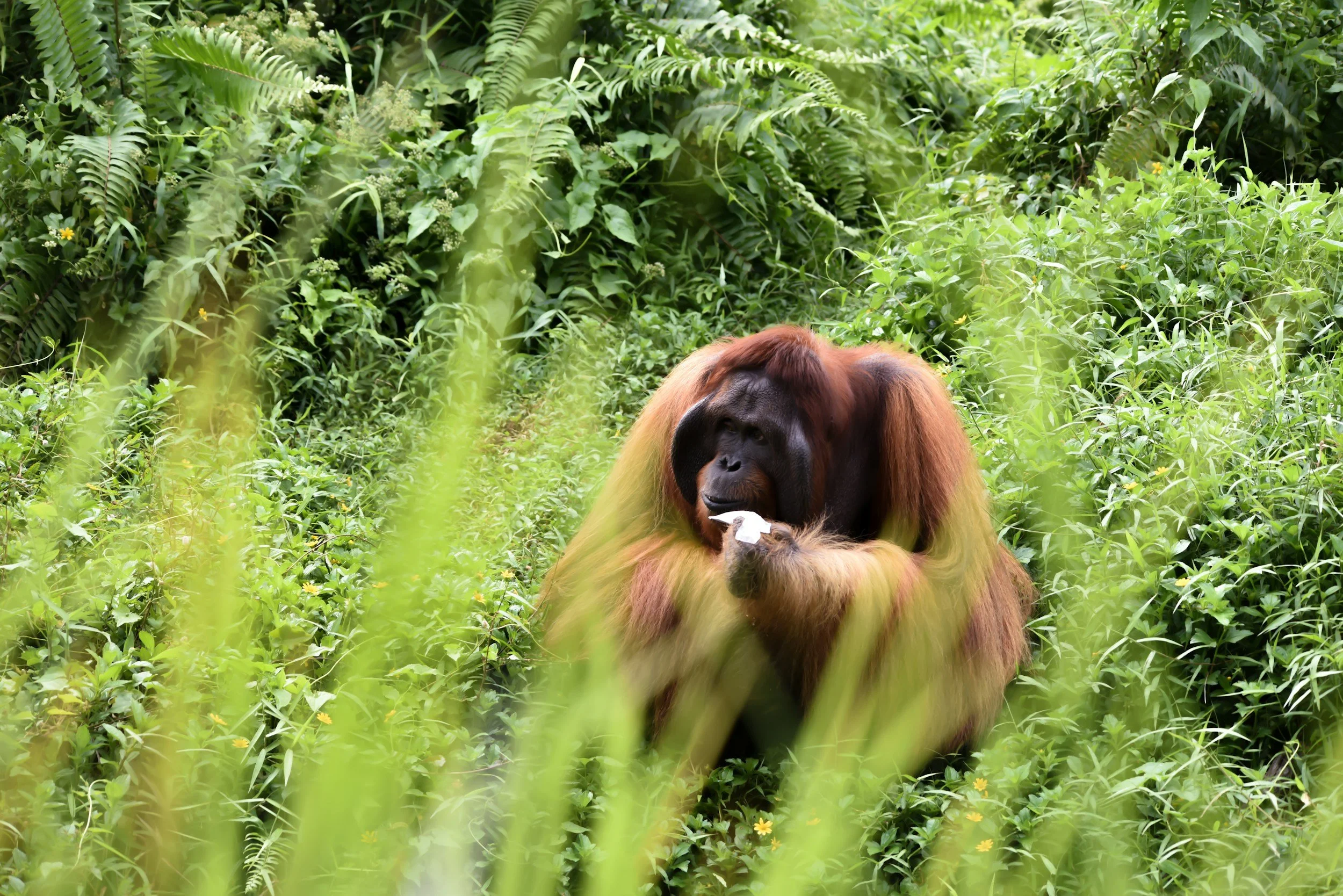
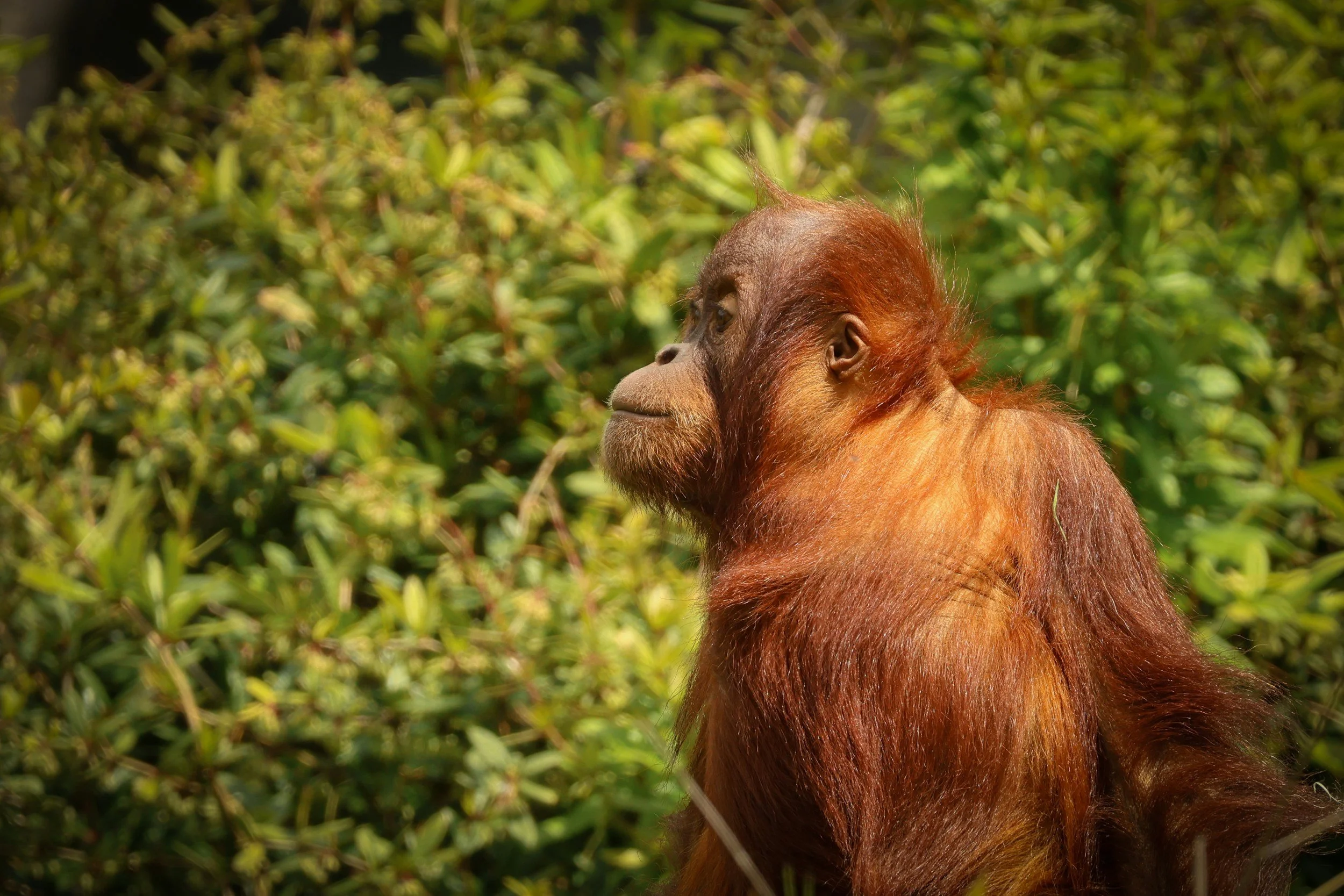
Palm oil, at its most unsustainable, is driving mass deforestation and is decimating the habitats of endangered species such as orangutans, pygmy elephants and sumatran rhinos at a catastrophic rate. It is also linked to serious human and animal rights infringements. It is important to understand that culpability does not lie with the plant but with the modern plantation practices that surround it as a crop.
The Contented Bear has taken the advice of the Director of the Orangutan Foundation UK and Dr Mary Birute Galdikas (One of the Trimates along side Dr Jane Goodall DBE ‘global conservation icon, ethologist, humanitarian and UN Messenger of Peace’ and Dr Dian Fossey, who pioneered gorilla conservation and who’s life story inspired the film Gorillas In The Mist - See Blog). Dr Mary Birute Galdikas was the world’s foremost expert on orangutans, with her benchmark 50 year study of orangutans in the wild being the longest of its kind. She received the PETA Humanitarian Award amongst others and was unequivocal in advocating the boycotting of palm oil under current conditions.
Coconut products are associated with the abusive enslavement of pig-tailed macaque monkeys who are chained, maltreated and forced to pick coconuts for the coconut industry. This barbaric practice often flies under the radar so requires increased global awareness and a call for a meaningful certification scheme that will end this cruel practice (for more information see Peta’s news about forced monkey labour).
SOAP
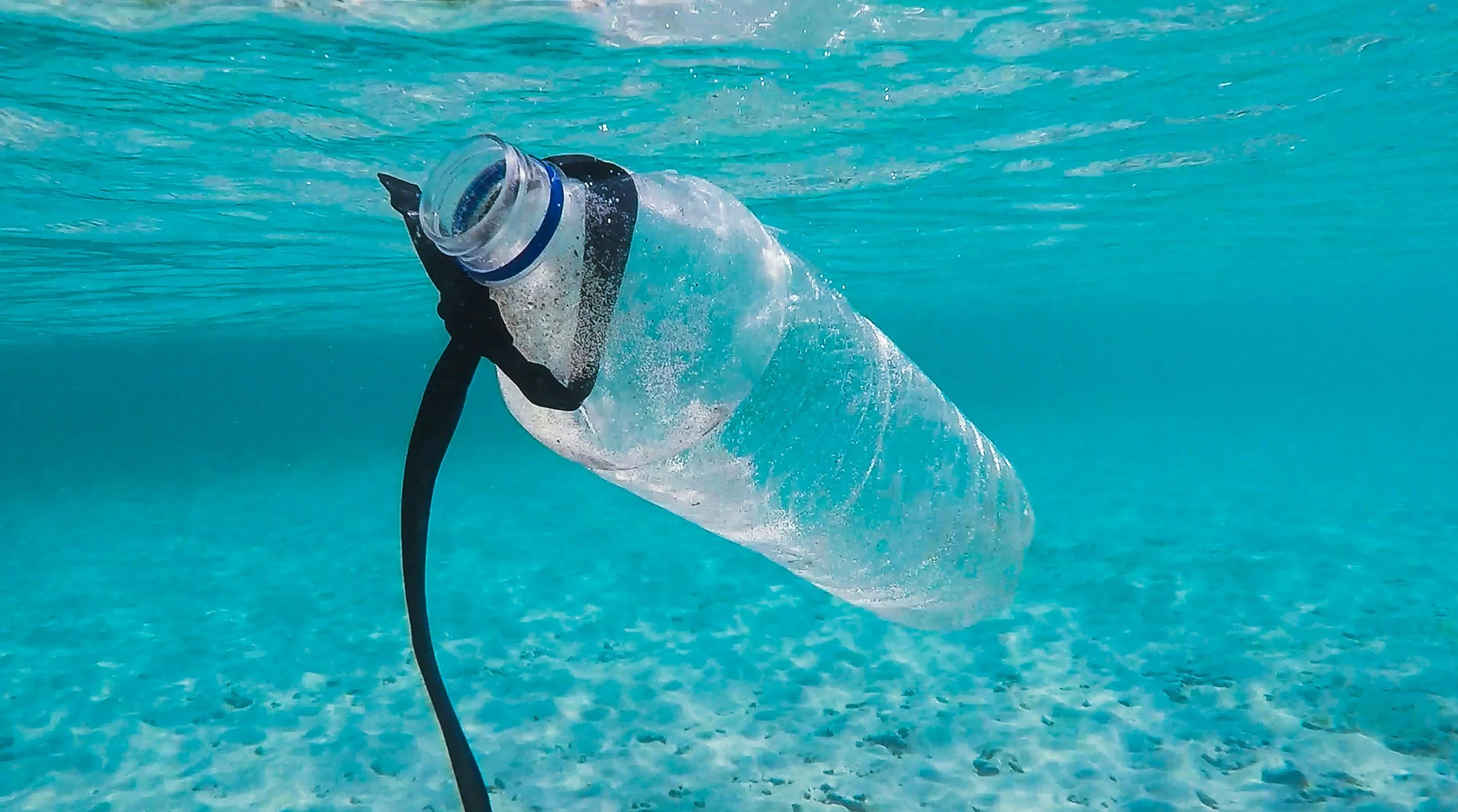
Our soaps come nestled in a very fine wood wool which provides a natural, biodegradable cushion. We source this from Wales where the only manufacturer of wood wool sourced from Britain operates, with the majority sourced from sustainably managed spruce from within a 30 mile radius. The ribbons they are wrapped in are made from 100% used plastic bottles that have been collected from recycling banks and turned into ribbon through the yarn making process, creating silky smooth, 100% recycled luxury ribbon.

We believe in kinder beekeeping practices that are like….
Henry David Thoreau
“The keeping of bees…. is a very slight interference. It is like directing the sunbeams.”
HONEY
-
We are passionate about bees which is why we are passionate about the wellbeing of bees. At the government level the UK, as with many countries, has no mandatory policies concerning bee welfare. Subsequently it is left to the consumer to make positive choices that minimise harmful practices. However with opaque and misleading messaging this can be difficult to carry out.
-
Bees make honey for their own nourishment therefore sustainable beekeeping means that only honey that is surplus to the bee’s requirements is removed from the hive. Many commercial and hobbyist beekeepers remove all honey and replace with refined, pesticide treated sugar (often neonicintinoids ) which is as good for bee health as it is for humans. The latter practice doubles pesticide exposure for bees, both directly from sprayed crops and indirectly from the refined product of sprayed sugar beet crops. Sustainable beekeeping means no chemicals are used near the hives and biodiverse foraging is actively promoted through the sympathetic placement of hives in natural, nectar rich landscapes.
-
Studies have shown that intensive farming directly increases diseases amongst honeybee populations. Between June 2024 and March 2025 the largest ever recorded loss of 1.6 million bee colonies occurred in the US. In China the situation is so severe that hand pollination is now being adopted for fruit crops in some areas due to the lack of natural pollination. In the UK and the EU the use of neonicotinoids, a class of neurotoxic pesticides, were banned in 2018. However Silver Spoon British Sugar owner lobbied the government for the reintroduction of the neonicotinoid thiamethoxam, which is particularly agressive to bees central nervous systems, weakening their immune systems, damaging baby bees brains and leaving them unable to fly. This has been granted by the government against the advice of their own scientific advisors. The corporation ABF (Associated British Foods) which owns Silver Spoon (alongside Kingsmill and Twinings) reported pre-tax profits of 1.9 billion in September 2024.
FOOD FOR THOUGHT
*
FOOD FOR THOUGHT *
Honey surpasses jam, chocolate spread & nut butters as the most popular spread in the UK with 25,000 tonnes consumed annually. However only 1,500 tonnes are made in Britain. The 23,500 tonne deficit is imported and listed on honey labels as from ‘the EU and other countries”. These other countries are mainly Thailand and China with China being the world’s biggest supplier of honey. Honey fraud is the world’s third largest food fraud which amongst other practices involves honey being diluted with synthetic or bioengineered syrups and fillers. Unlike real, nutritious honey, this adulterated honey is bad for human health as the increased sugar content potentially increases the risk of diabetes in consumers. It is also bad for the future of honeybees as it artificially drives down the price of honey meaning it is no longer commercially viable for sustainable beekeepers to make genuine honey. In 2023 the European Commission tested 320 honey samples from eighteen countries, ten samples were collected from the UK all were found to be fraudulent. In addition 50% of the samples taken from around the world failed authenticity testing. Adulterated honey also affects national and international food saftey with a European study finding that these fraudulent foodstuffs contain pesticides, heavy metals, vetinary drugs and carcinogenic chemicals.
A single jar of honey is made through 10 million foraging journeys and the distance covered per jar is up to 50,000 miles. It takes 12 honeybees their whole lives to make one teaspoon of honey, each covering up to 500 miles in that time. Honeybees are a deeply social and complex species, fully capable of feeling pain and suffering and capable of complex learning and facial recognition. Subsequently it is very important that honeybees lives, work and honey should be honoured. However intensive bee farming practises, including large-scale migratory bee keeping where hives are trucked thousands of miles across country, stress and weaken colonies in a never ending cycle of exhaustive work. It is also indicated that the inhumane practice of hive culling still occurs in colder climates, where entire honeybee populations are killed so that bee farmers do not have to care for them in the less productive winter months.